
The History and Evolution of Long-Term Parking Facilities
The History and Evolution of Long-Term Parking Facilities
—
August 3rd, 2026
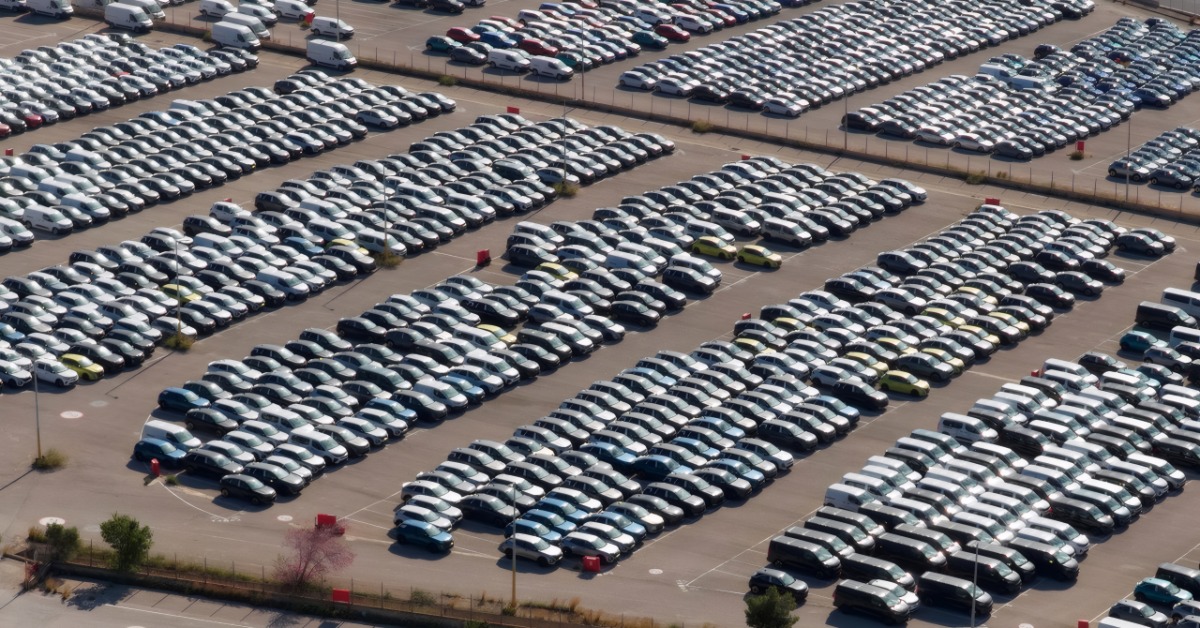
Parking has always followed the shape of daily life. When people changed how they traveled and worked, parking changed with them. What began as a loose habit of leaving vehicles wherever space allowed eventually became an organized service with a clear purpose. Long-term parking grew from that same pressure. A vehicle can be useful one day and completely in the way the next. As time passed, this became a bigger issue, which has been solved today, but how did we get here? This overview of the history and evolution of long-term parking facilities is here to answer just that.
Before Parking Became a Planned Service
Before cars became common, towns still had to manage transportation at rest. Horses and wagons needed space near homes and businesses. The street often handled that job because there were not many other options. Once automobiles became more popular in the early 1900s, the old approach stopped working. A curb that could handle a few vehicles became crowded when more people started driving every day. Downtown streets felt this pressure the most because workers and shoppers were competing for the same limited space. At that point, parking was no longer a minor detail. It had become part of how a city functioned. Without a better system, streets could become nearly impossible to use.
The Early Push for Order
The first major change was organization. Cities began marking spaces and setting clearer expectations for where drivers could park. Paid parking added another layer of control. In 1935, Oklahoma City became part of parking history when the first parking meter was installed downtown. That moment mattered because it showed that the humble parking space had measurable value. The meter did more than collect a fee. It helped cities manage demand and pushed parking away from guesswork. That idea shaped the planned systems that drivers recognize today.
From Curbs to Dedicated Parking Lots
As even more people began buying cars, parking needed more room than the curb could provide. Businesses began adding lots so customers could park near the front door. Offices followed the same pattern because parking had become part of everyday access. Parking was no longer simply something that happened beside a road. It could be built, managed, and improved. Longer parking needs became easier to notice during this period. Some owners had vehicles they didn’t use every day, and many needed more space than a standard driveway could provide. A dedicated lot could solve that problem without forcing the vehicle into a crowded street.
Parking Garages Changed the Scale
In dense cities, land became too valuable to spread every parked vehicle across the ground. Parking garages offered a vertical answer. They made it possible to store more vehicles in a smaller footprint. Garages also proved that parking facilities needed design. Drivers had to enter, navigate the structure, and exit without unnecessary hassle. That means the layout mattered as much as the space itself. Outdoor long-term parking facilities use a different setup, but the same principle still applies. The best parking areas are planned around real movement. For example, a lot that works for a small car likely won’t work for a semi-truck.
Why Long-Term Parking Became Its Own Need
Long-term parking became more important as vehicles became more specialized. Some vehicles support work, while others support travel. No matter their purpose, these vehicles still need a dependable place to stay. That is where ordinary parking often falls short. A home driveway may be convenient for a while, but it can become crowded fast. Even business lots can run into the same issue when space is needed for daily operations. Dedicated long-term parking facilities give owners a more practical option. Instead of rearranging everything around one parked vehicle, the owner can keep that vehicle in a space meant for that purpose. That is especially helpful when the vehicle is too large for a standard spot.
The Connection Between Parking and Storage
Modern long-term parking is closely tied to storage. Short-term parking helps someone stop for a brief visit, while long-term parking provides a place for a vehicle to remain between uses. This matters for drivers who own vehicles that do not fit neatly into everyday routines. An RV may sit for weeks after a trip. A truck may need a dependable spot between routes. In both cases, the vehicle is not forgotten; it is simply waiting for the next time it is needed. That is why searches for vehicle storage often connect back to long-term parking. Owners are not always looking for a traditional storage unit. Many need outdoor space that can handle the size and access needs of their vehicle.
What Drivers Expect From Modern Facilities
Today’s long-term parking facilities are judged by how easy they make the process. A driver doesn’t want to fight a tight layout after already managing a large vehicle on the road. Wide access and clear movement can make the experience feel less stressful. Reliability also matters. Drivers want to know where their vehicle belongs before they need the space. When parking is uncertain, every trip or work schedule can come with an extra problem attached. Security has become part of that expectation as well. A long-term space should feel more dependable than an improvised spot. Owners are paying attention to where their vehicle sits.
How Long-Term Parking Keeps Evolving
The future of long-term parking will likely keep following the same pattern as its past. When drivers’ needs change, parking changes with them. Larger vehicles and tighter neighborhoods both make planned parking more valuable. Outdoor facilities are a good example of this evolution. They answer a simple need without overcomplicating it. A driver has a vehicle that needs space, and the facility provides a place built around that reality. Technology may continue to change how people reserve spaces or manage access. Even so, the core purpose will stay familiar. Long-term parking works because it gives vehicles a practical place to belong.
A Practical Solution With a Long History
As you can see, the history and evolution of long-term parking facilities isn’t just about meters or garages. It’s about the way people make room for the vehicles that support their lives. As transportation became more important, parking had to become more intentional. What started as a curbside habit has turned into a useful service for everyday owners and working drivers. Long-term parking facilities, like the ones run by Big Parking Spot, now help reduce clutter and make planning easier. If this sounds like just what you’re looking for, check out our vehicle storage options in Tulsa, OK.
Categories