
Semi-Truck Parking Industry Trends for 2026
—
December 16th, 2025
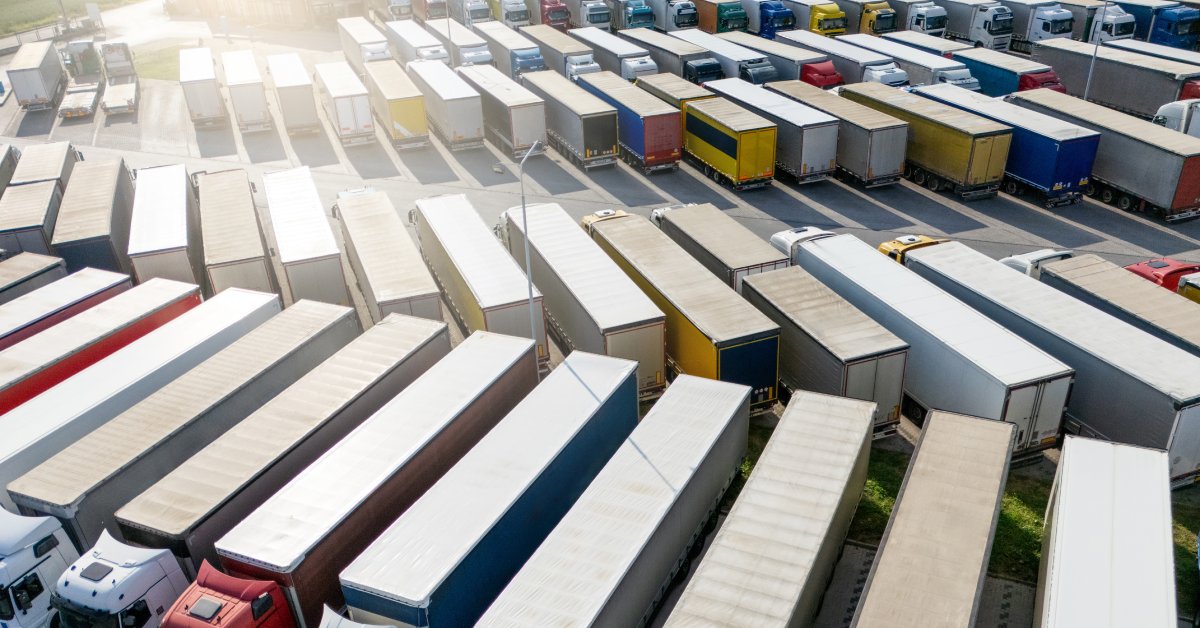
The trucking industry is the backbone of the American economy, but finding safe and available parking remains a significant challenge for drivers. As we look toward 2026, several key trends are set to reshape the semi-truck parking landscape. These changes will be driven by technology, increased freight demand, and a growing focus on driver safety and sustainability. This post outlines the major trends in the semi-truck parking industry that fleet managers, truck drivers, and industry stakeholders should keep an eye on in the coming year.
Increased Demand for Parking Solutions
The demand for truck parking is growing faster than the supply. This trend is driven by two main factors. First, the continuous rise of e-commerce has led to a surge in freight volume, putting more trucks on the road. Supply chains are expanding, requiring more frequent and longer hauls to meet consumer and business needs. Second, an increased emphasis on driver safety and compliance with hours-of-service (HOS) regulations means drivers require more rest. These mandatory breaks create a constant need for safe, accessible parking spots. As freight volume continues to grow, the existing shortage of parking spaces will become even more pronounced, pushing the industry to find new and efficient solutions to accommodate the growing number of trucks on the road.
Adoption of Smart Parking Technology
To help with this, technology is revolutionizing how truck drivers find and use parking. Smart parking solutions are becoming more common, making the search for a spot less stressful and more efficient. One of the most significant developments is the use of Internet of Things (IoT) sensors in parking lots. These sensors provide real-time data on parking availability, which drivers can access through mobile apps. This eliminates the guesswork of finding an open spot, saving drivers time and fuel. Mobile apps are responsible for streamlining this entire process. Drivers can now reserve and pay for parking spaces in advance, ensuring they have a guaranteed spot waiting for them when they arrive. For lot managers, this is just as great because AI-driven platforms optimize space allocation and traffic flow, maximize the use of available parking, and improve overall operational efficiency.
Expansion of Private Parking Networks
In response to the public parking shortage, private parking networks are expanding rapidly. These networks offer reliable truck parking spaces for rent that both companies with fleets and independent drivers can use. Subscription-based services are becoming increasingly popular, enabling trucking companies to secure guaranteed parking for extended periods of time. This model provides cost certainty and peace of mind, knowing that drivers will always have a safe place to rest. Corporations are also investing in their own private parking facilities to support their logistics operations. These dedicated lots ensure that their trucks have secure parking, reducing delays and protecting valuable cargo. Furthermore, we are seeing more partnerships between private parking networks and traditional truck stops. These collaborations expand the availability of secure, reserved parking options for all drivers.
Focus on Sustainability
The push for environmental responsibility is another trend that’ll be influencing the semi-truck parking industry in 2026. Eco-friendly parking lots, for example, are being developed to reduce the industry’s carbon footprint. These facilities often incorporate solar panels to generate clean energy for lighting and other on-site needs. As electric trucks become more common, the demand for EV charging stations at parking lots will increase, and new facilities are being built with this infrastructure in mind. Another key focus is reducing emissions from idling trucks. Providing access to shore power, also known as truck stop electrification (TSE), allows drivers to power their in-cab amenities without running their engines. This not only cuts down on pollution but also saves fuel. Government incentives are encouraging the development of this green parking infrastructure, supporting the industry’s transition to more sustainable practices.
Increased Security Measures
Cargo theft remains a major concern for the trucking industry, making secure parking more critical than ever. In response, parking facilities are implementing advanced security measures to protect drivers and their loads. High-definition surveillance systems that operate 24/7 are becoming standard, providing constant monitoring of the lot. Many facilities also employ on-site security guards to offer an additional layer of protection. The demand for secure parking is growing as trucking companies recognize its importance in risk management. Insurance providers are also playing a role by offering benefits and lower premiums to fleets that use certified secure parking facilities. This financial incentive is encouraging more fleets to prioritize secure parking, driving further investment in safety and security features across the industry.
Regulatory and Policy Shifts
Government regulations and policies are shaping the future of truck parking as well. Zoning laws are being updated in many areas to make it easier to develop new parking facilities near key freight corridors. These changes are essential for addressing the nationwide parking shortage. At the same time, new safety and security standards are being established for parking lots to ensure they meet a minimum level of protection for drivers. These standards may include requirements for lighting, fencing, and surveillance. Federal and state governments are also providing funding for the development of new public and private parking infrastructure, recognizing its critical role in supporting the national supply chain and improving driver welfare.
Integration with Autonomous Trucking
While it may not be something that gets big in 2026, the rise of autonomous trucking will have a profound impact on parking, so it’s worth looking into. Many predict that fully driverless trucks are still some years away, but the industry is already preparing for their arrival. Parking facilities of the future will need to be designed to accommodate autonomous trucks, which may have different maneuvering and docking requirements. Self-driving technology will also affect parking demand and design. For example, autonomous trucks may be able to park more densely than human-driven vehicles, increasing the capacity of existing lots. We may also see the emergence of fully automated parking systems where trucks can park and retrieve themselves without human intervention. Preparing for this technological shift is crucial for the long-term viability of parking facilities.
Rising Costs and Land Scarcity
Despite the growing demand, developing new truck parking facilities faces significant hurdles. One of the biggest challenges is finding affordable and suitably located land, especially near major highways and urban centers. Land costs are rising, making it difficult for developers to build new lots at prices that remain affordable for drivers. Development and maintenance costs are also increasing, adding to the financial pressure. To overcome these challenges, the industry is exploring creative solutions. Multi-use facilities that combine truck parking with other commercial activities, like warehousing or retail, are one way to maximize land use. Vertical or multi-level parking structures, while expensive to build, may also become a viable option in land-scarce areas.
Categories