
Navigating the Challenges of Parking for OTR Drivers
—
January 8th, 2026
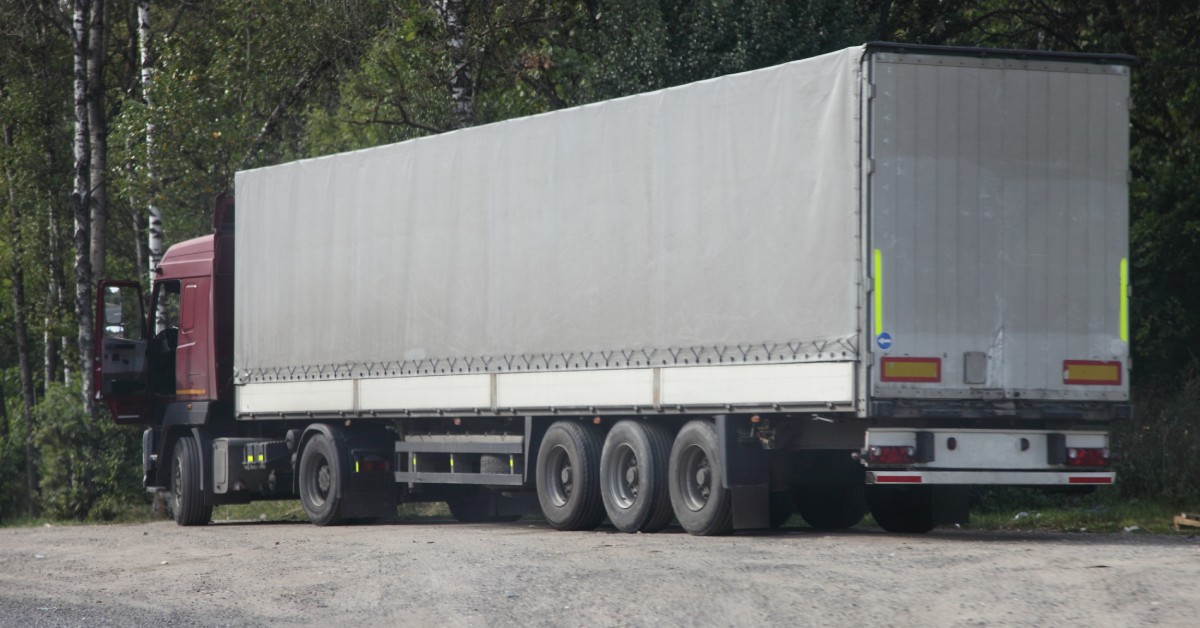
Over-the-Road (OTR) trucking is the backbone of the American supply chain. It requires long hours on the road, strict adherence to schedules, and immense concentration. However, one of the most stressful parts of an OTR driver’s day isn’t navigating traffic or managing tight deadlines—it’s finding a safe place to park for the night.
For many drivers, the end of a shift brings anxiety rather than relief. The search for a spot often begins hours before the driving clock runs out, cutting into earning potential and adding to the frustration of an already demanding job. Understanding the scope of the challenges associated with parking for OTR drivers and knowing how to navigate them is essential for safety and efficiency on the road.
The Scope of the Parking Problem
The truck parking shortage in the United States is at a crisis level. According to the American Trucking Associations (ATA), for every 11 trucks on the road, there’s only one spot available for them to park in each night. This scarcity leads to intense competition for spaces, especially in high-traffic freight corridors and near major cities.
And it’s only getting worse. As freight movement increases, so does the demand for parking, and infrastructure development has not kept pace. Private truck stops and public rest areas quickly become overcrowded, often by early evening.
Add to that the fact that Federal Hours of Service (HOS) rules increase the pressure to find a parking spot for the night. These regulations require drivers to take mandatory rest breaks after a set number of hours. When parking is unavailable as their driving time runs out, drivers are forced to park in unsafe locations or risk significant fines, creating a difficult and dangerous situation.
Common Challenges Faced by OTR Drivers
The lack of available parking spaces creates a ripple effect of challenges that impact every aspect of a driver’s life. It is not just about convenience; it is a matter of safety, finances, and basic human needs.
Safety Concerns
When safe, authorized parking isn’t available, OTR drivers often have to park in poorly lit, isolated, or unauthorized areas. These locations put drivers and their cargo at greater risk for theft, vandalism, and personal harm. Sleeping in these conditions is also more difficult, meaning drivers may find themselves unable to rest properly, affecting their focus and alertness on the road.
Time Constraints
Since OTR drivers face significant pressure from tight schedules and federal Hours of Service regulations, when safe parking is limited, valuable driving hours are lost as drivers circle for a spot. This reduces time on the road, directly impacting income and productivity.
The search for parking often forces drivers to cut trips short or stop earlier than planned, leaving freight undelivered or routes unfinished. Over time, these regular delays accumulate, making it harder for drivers to meet deadlines and maximize earnings, while adding stress to an already demanding job.
Cost Issues and Lack of Amenities
Even when parking is available, it often comes at a price. Many truck stops and private facilities have to charge higher prices due to increased demand. While some locations offer free parking with a fuel purchase or loyalty status, these options are not always guaranteed.
Beyond the cost, amenities vary wildly. Drivers need access to restrooms, showers, laundry facilities, and healthy food options. Unauthorized parking spots offer none of these. Parking on a ramp means no bathroom and no hot meal, affecting hygiene and health over time.
The Direct Impact of Challenges on the Drivers
The consequences of the parking crisis extend far beyond inconvenience. The chronic stress of finding a place to sleep affects a driver’s mental and physical health. Worrying about where to park starts long before the shift ends, increasing cortisol levels and contributing to driver fatigue.
Fatigue is a leading cause of accidents in the trucking industry. If a driver cannot find a safe, quiet place to rest, the quality of their sleep suffers. Tired drivers have slower reaction times and impaired judgment, making the roads less safe for everyone.
Economically, the impact is also quite severe for drivers. First of all, the reduction in driving hours directly translates to a smaller paycheck. On top of that, these issues contribute to high driver turnover, as the stress of the lifestyle pushes experienced professionals out of the industry.
Strategies for Drivers to Navigate Parking Challenges
While the industry works on long-term infrastructure solutions, drivers need immediate strategies to manage daily parking hurdles. Successfully navigating the challenges of parking as an OTR driver certainly won’t be easy, but being proactive and using available resources can make the difference between a stressful night on a ramp and a safe rest in a secure lot.
Planning Ahead
Trip planning is the most effective tool a driver has. Instead of driving until the clock runs out, successful OTR drivers map out potential stopping points before they even start the engine. They identify primary parking locations and backup options in case the first choice is full.
Experienced drivers also time their trips to avoid arriving in major cities during peak hours when parking is most scarce. They may choose to shut down earlier in the day or drive through the night to park when others are leaving. If your route requires you to find semi-truck parking in Sperry, OK, you’re in luck. Big Parking Spot will have a space waiting just for you when you get here. Just call ahead to reserve your spot with us.
Leveraging Technology
No matter where your trip takes you, technology has revolutionized how OTR drivers find parking. Several mobile apps provide real-time data on parking availability. Apps like Trucker Path, Park My Truck, and major truck stop chain apps allow users to see how full a lot is, read reviews from other drivers, and even reserve spots in advance.
GPS systems specifically designed for commercial trucks often include points of interest that highlight rest areas and truck-friendly parking lots. Investing in a paid reservation can also be worth the cost for peace of mind, guaranteeing a spot regardless of arrival time.
Networking
Outside of these options, the trucking community is always a valuable resource. Communicating with other drivers via CB radio or social media groups can provide up-to-the-minute information on parking situations. A fellow driver can tell you if a rest area is closed for construction or if a specific truck stop has overflow parking available.
Industry and Policy Solutions
However, it’s important to remember that these are all temporary solutions. Actually solving the parking crisis requires a coordinated effort from government bodies and the private sector. It is a massive infrastructure project that won’t fix itself overnight, but momentum is building.
New legislation is frequently introduced to allocate federal funding specifically for truck parking expansion. The “Jason’s Law” Truck Parking Survey is regularly updated to assess the current state of parking and prioritize funding for high-need corridors. State Departments of Transportation are also exploring creative solutions, such as converting weigh stations into parking areas or using technology to provide real-time availability signs on highways.
Trucking companies play a role as well. Carriers can support their drivers by reimbursing paid parking fees and using their logistics networks to help drivers secure safe locations. Some fleets are even investing in their own terminals and drop yards to ensure their drivers always have a safe place to land.
Categories