
How To Prepare Your Boat for Long-Term Storage
How To Prepare Your Boat for Long-Term Storage
—
April 17th, 2026
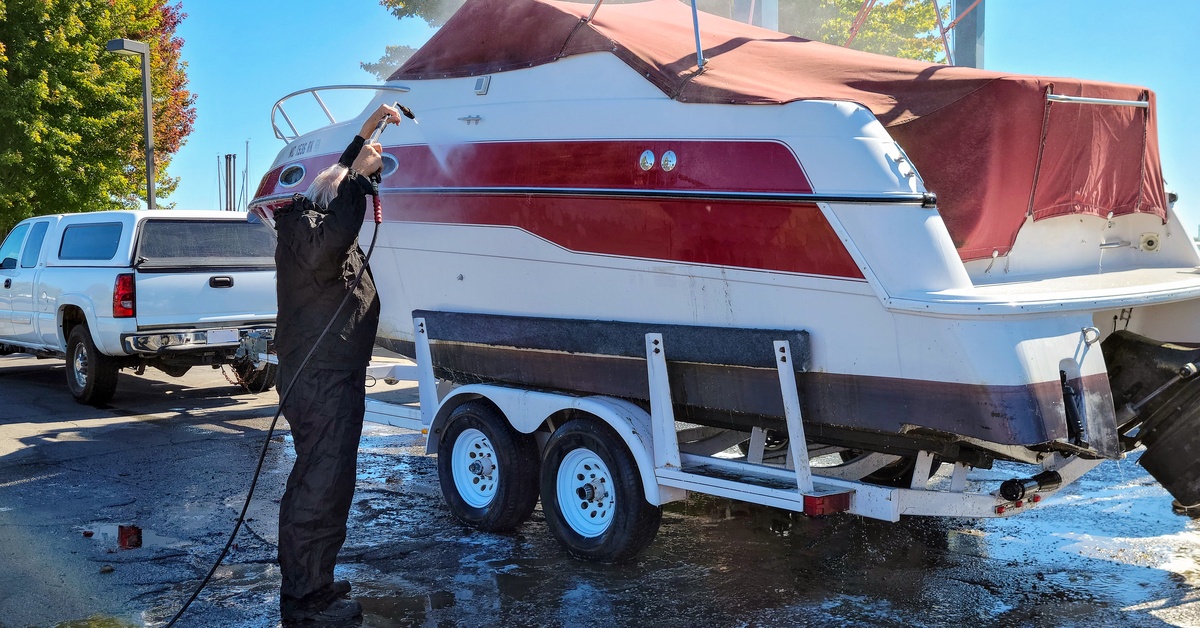
When boating season winds down, it’s tempting to park your boat outside your house, throw on a cover, and call it a day. That might seem good enough in the moment, but long-term storage can take a toll if you don’t prepare your boat first. Moisture, stale fuel, battery problems, and hidden grime can all cause trouble while it sits.Doing this now can save you time, money, and frustration later. If you want your boat to stay in good condition and be easier to use when you’re ready to bring it back out, it’s worth taking the storage process seriously from the start. To ensure you get it right, here are some tips for preparing your boat for long-term storage.
Clean the Boat Before It Sits
One of the first things you should do is give the boat a full cleaning. Dirt, salt, algae, food crumbs, and general buildup don’t just look bad. If they stay on the boat for months, they can lead to stains, odors, mildew, or corrosion that become much harder to deal with later.That’s why you should wash the exterior thoroughly, including the hull, and wipe down interior surfaces while you’re at it. Storage compartments, cup holders, and the areas under seats are easy to overlook, but they’re often where moisture and grime collect. If you leave those areas dirty, you’re giving mold and pests a better place to settle in.After cleaning, make sure everything has time to dry. That includes carpet, upholstery, storage bins, and any removable gear you plan to keep with the boat. A clean boat is important, but a dry boat is what helps prevent bigger problems during storage.
Stabilize the Fuel and Check the Engine
Fuel can break down when it sits for too long, which is why fuel system prep is so important before long-term storage. Adding a fuel stabilizer is the best way to protect the gas while the boat is not in use. After adding it, run the engine for a while to circulate the treated fuel through the system.This is also a good time to handle routine engine maintenance instead of putting it off. If the oil change is due, do it before storage so dirty oil doesn’t sit in the engine for months. You should also check hoses, belts, and visible connections for signs of wear, leaks, or cracks.If your boat has been running rough or showing signs of an issue, don’t ignore it just because you’re storing it. Problems don’t improve on their own while a boat sits. In many cases, they’re worse when you come back months later and expect everything to work right away.You may also need to flush or fog the engine, depending on the type of motor you have. That part can vary, so it’s smart to follow your owner’s manual or a trusted mechanic’s advice. The main point is to protect the engine before storage, not after damage has already started.
Remove Water and Control Moisture
Water is one of the biggest threats to any stored boat. Even a small amount of trapped moisture can lead to mildew, corrosion, or unpleasant smells. If temperatures drop low enough, leftover water can also contribute to cracking and other damage.Start by draining the bilge, live wells, coolers, and any compartments where water may collect. If your setup allows for it, remove the drain plug so water can escape instead of sitting in the hull. You want the boat positioned so it sheds water rather than holding onto it.Ventilation helps too, especially if the boat will stay covered for a long time. You don’t want to trap damp air inside, as this creates the perfect environment for mold. Letting things dry completely before storage is one of the simplest steps you can take to prepare your boat for long-term storage, but it’s also one of the most important.
Protect the Battery and Electronics
A dead battery is one of the most common problems boat owners run into after storing their boat for a while. If you leave the battery connected and unattended for too long, it may not have enough charge when you need it. In some cases, you may need to replace it altogether.At a minimum, disconnect the battery before storing the boat. If you’re storing it for an extended period, removing the battery and keeping it in a better-controlled environment is often the smarter move. You should also check the terminals for corrosion and clean them if needed before putting everything away.General electronics deserve some attention as well. If you have removable screens, fish finders, or other accessories, consider taking them off the boat and storing them separately. That extra step can help protect them from temperature fluctuations, moisture, and prolonged inactivity.
Use the Right Cover and Storage Setup
A cover helps protect your boat, but only if it fits well and stays secure. Loose or sagging covers can collect water, trap debris, and create unnecessary wear over time. You want a cover that protects the boat without turning into a low spot for rain and moisture.If the boat is staying on a trailer, check that it’s parked on stable ground and sitting evenly. Look at the tires, make sure the trailer is secure, and confirm that nothing is putting extra strain on the boat while it sits. Long-term storage works better when the boat is supported properly from the beginning.Before leaving, do a final check around the entire boat. Make sure compartments are closed, straps are tight, and nothing valuable or moisture-prone has been left behind. Those final minutes can help you catch the kind of small oversight that becomes a major annoyance later.
Find the Right Place to Store It
If you don’t already have a storage spot in mind, locating the right place to keep your boat will be the final step in this process. You’ll want to find a space that gives you enough room, makes access simple, and helps you feel confident leaving the boat there for an extended period.A good storage location should support the work you already put in. If you need outdoor boat storage, look for a place that’s easy to access, suitable for larger vehicles and trailers, and practical for long-term parking.After you’ve taken the time to prepare your boat the right way, the ideal storage spot helps protect that effort until you’re ready to use it again. If you’re specifically looking for boat storage in Tulsa, then Big Parking Spot is just the place for you.
Categories