
Commercial Vehicle Parking Best Practices
Commercial Vehicle Parking Best Practices
—
March 19th, 2026
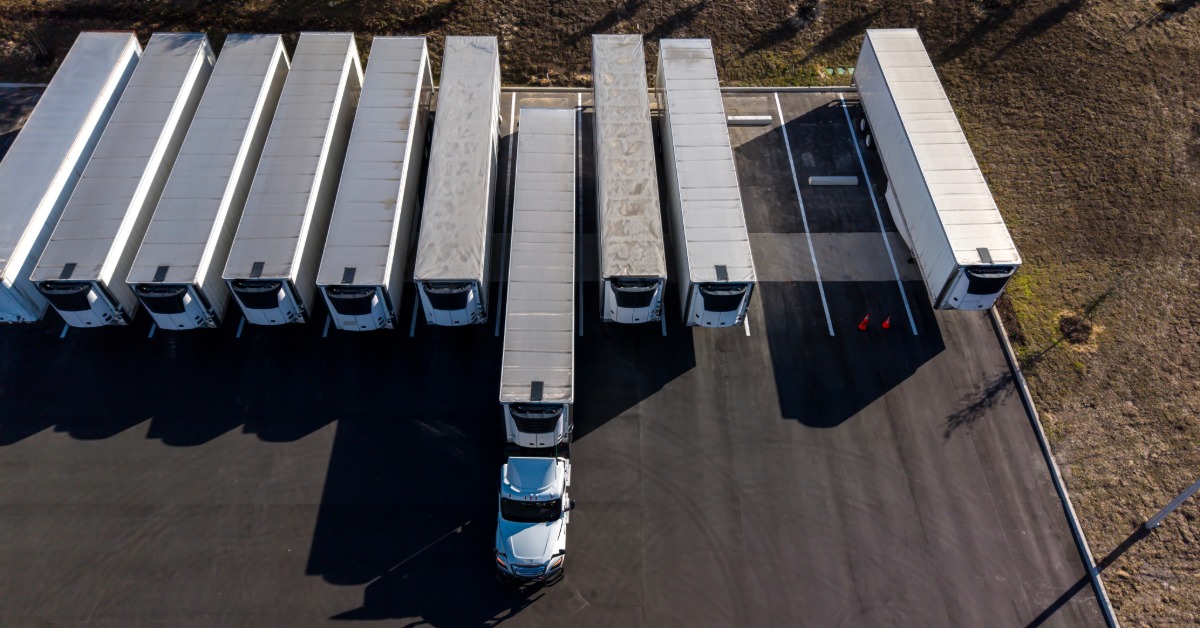
Finding safe and legal parking is one of the most common challenges commercial drivers face. In busy areas, truck parking can fill up quickly, and regulations often limit where large vehicles can stop overnight. Without a plan, drivers may end up circling for hours or settling for a less-than-ideal location.
Following some of the more agreed-upon parking practices for commercial vehicles can make a big difference for drivers on the road. With the right approach, drivers can protect their equipment, avoid penalties, and reduce the stress that often comes with searching for ideal parking.
Understand Local Parking Regulations
Understanding local parking rules is one of the most important steps for commercial drivers. While there are many federal and state regulations that limit where large vehicles can park, many cities and municipalities still have their own rules that they enforce. These vary widely depending on the location and type of area.
For example, many residential neighborhoods restrict commercial vehicles entirely. These restrictions exist to prevent trucks from blocking streets, creating excessive noise, or taking up limited parking spaces. Drivers who ignore these rules may receive citations or be required to move their vehicles.
Commercial and industrial zones are generally more accommodating to trucks and other large vehicles. Even in these areas, however, there may be limits on how long a vehicle can remain parked. Some locations allow short stops but prohibit overnight parking.
Checking posted signage before parking is always a smart habit. Signs often list time limits, vehicle restrictions, or permit requirements. Taking a moment to read them can help drivers avoid unnecessary fines or enforcement actions.
Prioritize Safety When Choosing a Parking Location
Safety should always be a top priority when selecting a parking spot for a commercial vehicle. Trucks and trailers are valuable assets, and cargo theft or vandalism can result in significant financial losses. Choosing the right parking location helps reduce those risks.
Well-lit areas tend to be safer than poorly lit or isolated locations. Lighting improves visibility and discourages suspicious activity around parked vehicles. Areas with steady foot or vehicle traffic can also provide an added layer of security.
Parking facilities with security features offer additional protection. Fenced lots, surveillance cameras, and gated access points help deter theft and unauthorized entry. These features are especially useful for long-term storage, but are still great for overnight parking.
Parking near other commercial drivers can also make a difference. Locations where multiple trucks are parked often feel more secure than isolated spaces. Drivers tend to notice unusual activity more quickly when others are nearby.
Plan Ahead to Avoid Parking Issues
Parking shortages are a common challenge for commercial drivers. Busy freight corridors and metropolitan areas often have limited space available for large vehicles. Without planning ahead, drivers may struggle to find parking when they need it most.
Many drivers use truck parking apps or online directories to locate available spaces. These tools can show nearby parking options and help drivers plan their stops in advance. Technology makes it much easier to identify safe and legal places to park.
To take things a step further, try including parking consideration in the initial trip planning process. Since drivers need to account for hours-of-service limits and rest requirements when scheduling their routes, planning a place to park in advance fits naturally into this process. Doing so will reduce the risk of not finding nearby parking late at night.
Some facilities also allow drivers to reserve parking spaces in advance. Reserving a spot can eliminate uncertainty and help drivers stick to their schedules. This option is especially helpful in high-demand areas.
Protect Your Vehicle and Cargo
Protecting the vehicle and its cargo should always be part of a driver’s parking routine. Even short stops can present risks if equipment is left unsecured. Taking a few precautions can help prevent theft or damage.
Drivers should always lock their vehicle and secure the trailer before leaving the area. Cargo doors, trailer locks, and security devices can all help protect valuable freight. These small steps add an important layer of protection.
Parking position also matters when protecting equipment. Choosing spaces that provide enough room to maneuver helps prevent accidental damage, so be sure to avoid tight or high-traffic areas to reduce the risk of collisions with other vehicles.
Also, performing a quick walkaround before leaving the vehicle is a smart habit to form. Checking the surrounding area helps drivers spot potential hazards or security concerns. This simple step can prevent problems before they start.
Use Designated Commercial Parking Facilities
Designated commercial parking lots are often the safest and most convenient option for large vehicles. These facilities provide truck parking for rent specifically for oversized vehicles, which means they’ll have the space and layout needed for easier parking and maneuvering.
Using a dedicated parking facility can also help drivers avoid potential fines or complaints. Since businesses and residential areas typically don’t allow trucks to park for extended periods, a designated lot eliminates much of that uncertainty.
In addition to being useful for overnight stays, commercial parking lots can be great for long-term arrangements as well. This is perfect for drivers who may need a secure place to leave their vehicle between loads or during time off. Reliable parking options like these make it easier to manage those situations.
These facilities can also benefit owner-operators and small fleet services. Having a dependable location to park vehicles helps reduce stress and improve operational planning. It also ensures equipment remains protected when not in use.
Practice Considerate Parking Habits
A commercial vehicle parking practice that all drivers should know is that good parking habits help keep shared parking areas safe and functional. For example, drivers should avoid blocking entrances, loading zones, or travel lanes when choosing a space. Leaving enough room for others to maneuver is always important.
Respecting other drivers’ space is another key part of professional parking. Tight or careless parking can make it difficult for others to enter or exit a lot. Taking a few extra moments to park carefully benefits everyone.
Drivers should also be mindful of cleanliness in shared parking areas. Properly disposing of trash and keeping the space tidy helps maintain a more professional environment. Clean facilities are more pleasant and safer for everyone using them.
Remember that noise and excessive idling can also impact nearby businesses and drivers. Being considerate of the surrounding environment helps maintain positive relationships in shared spaces. Professional behavior reflects well on both the driver and the industry.
Categories